
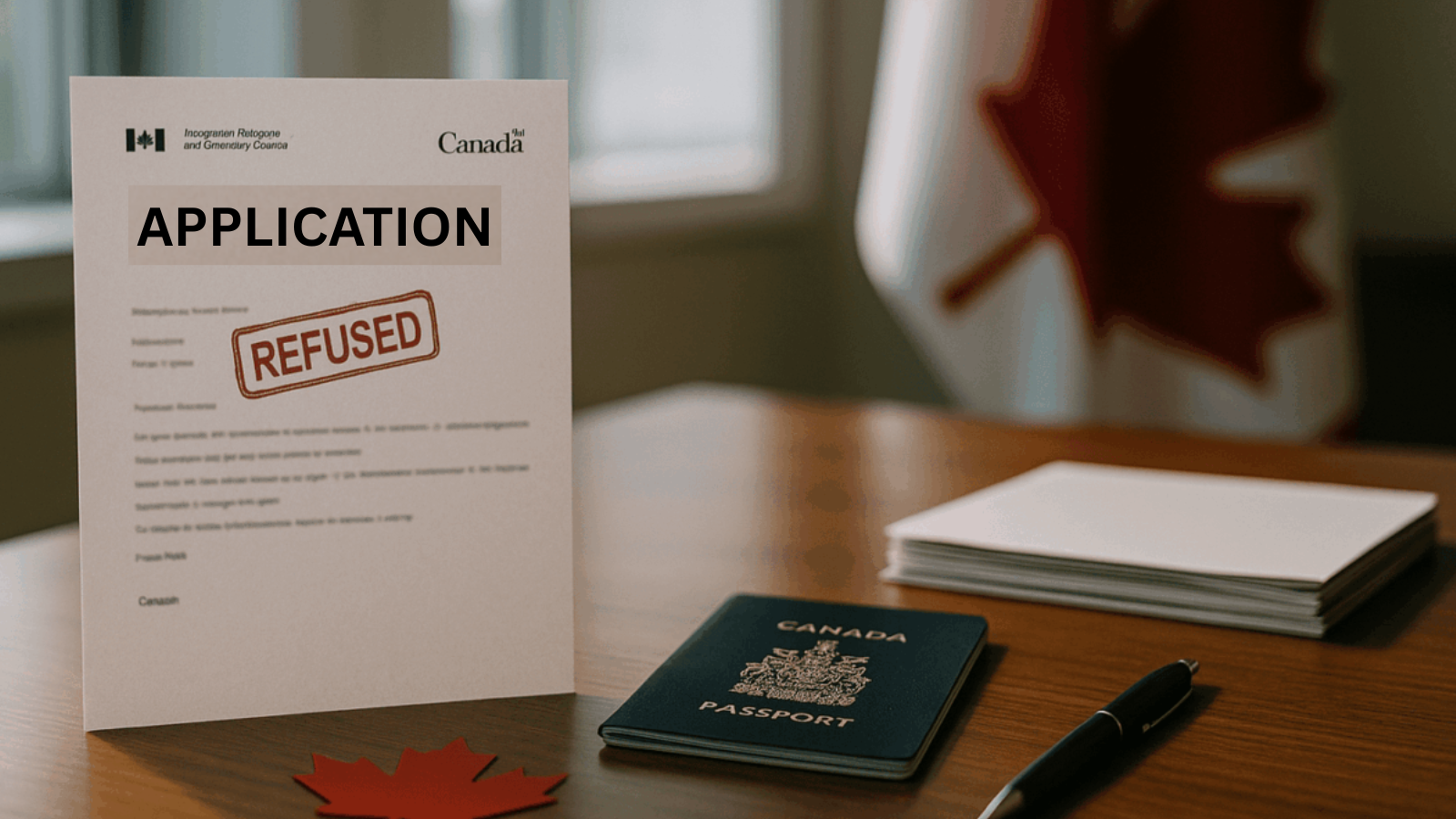
Did you know official IRCC data shows that in 2024, nearly half of all visa applications were refused, totaling over 2.3 million rejections?
Many applicants face rejection not because they are unqualified, but due to avoidable errors or inconsistencies in their applications. Immigration authorities assess applications strictly based on accuracy, completeness, and supporting evidence.
The most common immigration application refusal reasons include incomplete documents, misrepresentation, insufficient proof of funds, and failure to meet eligibility criteria. Even small mistakes can result in refusal without a chance to correct them.
Understanding these issues and addressing them early can significantly improve your chances of approval.
Most Common Immigration Application Refusal Reasons
Here are the most common immigration application refusal reasons explained in simple terms, along with practical steps you can take to avoid them and improve your chances of approval.
1. Incomplete or Incorrect Documentation
One of the most frequent immigration application refusal reasons is missing or incorrect paperwork. This includes unsigned forms, outdated documents, or missing certificates.
Immigration officers do not request missing documents in many cases. Instead, they reject the application outright.
How to avoid it:
- Use a checklist before submission: Review every requirement step by step so nothing important is missed.
- Double-check all forms and attachments: Go through each form carefully to catch errors, missing signatures, or incorrect details.
- Ensure all required documents are included and valid: Confirm that every document is present, up to date, and meets the official requirements.
2. Misrepresentation or False Information
Providing incorrect or misleading information, whether intentional or accidental, is one of the most serious visa rejection reasons. Even small inconsistencies can raise doubts about credibility.
Below are some examples:
- Submitting fake or altered documents such as employment letters or bank statements
- Not disclosing previous visa refusals or immigration rejections
- Listing incorrect job titles, work experience dates, or education qualifications
- Providing mismatched details across forms, passports, and supporting documents
Misrepresentation can lead to application refusal and, in some cases, a multi-year ban from applying again.
How to avoid it:
- Be completely honest: Always provide true and accurate information in every part of your application without hiding or altering details.
- Cross-check all details across documents: Review all forms and supporting papers to ensure names, dates, and facts match perfectly.
- Declare past refusals or issues clearly: Mention any previous visa refusals or immigration issues upfront to avoid credibility concerns later.
3. Insufficient Proof of Funds
Applicants must clearly show they have enough money to support themselves during their stay. Weak, unclear, or incomplete financial records are among the common reasons why PR applications get rejected.
Immigration officers look for a consistent financial history, not just a total balance shown in the account.
How to avoid it:
- Provide bank statements for several months: Submit consistent statements to show stable financial activity over time.
- Explain large transactions: Clearly justify any big deposits or withdrawals to avoid confusion about the source of funds.
- Include salary slips or income proof: Attach pay slips or income documents to support your financial stability claims.
4. Failure to Meet Eligibility Requirements
Each immigration program has strict eligibility criteria. Not meeting these is a major cause of Express Entry refusal reasons.
Common issues:
- Incorrect work experience
- Wrong occupation classification
- Insufficient language scores
Immigration officers assess whether your profile matches the program requirements precisely.
How to avoid it:
- Carefully review program criteria: Go through all eligibility rules in detail to confirm you meet every requirement before applying.
- Ensure your job role matches official classifications: Verify that your work experience aligns correctly with the approved occupation codes or categories.
- Submit valid language test results: Provide up-to-date and officially accepted language test scores that meet the minimum required level.
If you want to avoid these immigration application refusal reasons or are unsure how to proceed, you can consult licensed immigration experts who can review your application and guide you in the right direction.
5. Inconsistent Information Across Documents
Even small mismatches in names, dates, or employment details can raise concerns.
Officers look for consistency across all submitted documents. Any mismatch may signal credibility issues.
How to avoid it:
- Keep all information consistent: Make sure the same details are used across every form and supporting document without any differences.
- Match details exactly with passport and official records: Use the exact spelling, dates, and information as shown in your official documents.
- Review your entire application before submission: Go through everything carefully to catch any errors or mismatches before you submit it.
6. Medical or Criminal Inadmissibility
Health and background checks are essential parts of the process. Applicants may face refusal if they:
- Have serious medical conditions
- Have a criminal record
These factors can make an applicant inadmissible under immigration laws.
How to avoid it:
- Complete medical exams through approved providers: Get your medical checkup done only through authorized panel physicians to ensure your report is accepted.
- Disclose any criminal history honestly: Always provide accurate details about your background to avoid serious legal issues or refusal.
- Provide supporting documents if required: Submit any additional records or court documents requested to clarify your case.
7. Lack of Strong Supporting Evidence
Immigration decisions are based on evidence, not intention. Weak documentation can lead to refusal even if you qualify.
Examples:
- Poor reference letters
- Unverified work experience
- Missing explanation for gaps
Applications must be complete, credible, and well-supported.
How to avoid it:
- Provide detailed employment letters: Include clear job descriptions, dates of employment, and roles signed by your employer.
- Include supporting documents for all claims: Attach evidence such as contracts, pay slips, or references to verify every claim you make.
- Add explanations where needed: Clarify gaps, changes, or unusual details in your application with simple and honest explanations.
By following all these steps carefully, you can avoid common immigration application refusal reasons, reduce the risk of errors, and significantly improve your chances of a successful outcome.
Final Thoughts
Understanding the immigration application refusal reasons is the first step toward a successful application. Most refusals result from avoidable errors, such as incomplete documents, misrepresentation, or weak supporting evidence.
Immigration officers assess applications against strict criteria, and even minor inconsistencies can lead to rejection. By preparing thoroughly, staying honest, and submitting a complete application, you can significantly reduce the risk of refusal and improve your chances of approval.
If you are looking for immigration options outside Canada, Shaws Immigration Consulting offers global immigration guidance to help you understand requirements, avoid common mistakes, and prepare a strong application for different countries.
FAQs
1. What are the most common immigration application refusal reasons?
The most common immigration application refusal reasons include incomplete documentation, insufficient funds, misrepresentation, and failure to meet eligibility requirements.
2. Why do PR applications get rejected even after meeting eligibility?
PR applications can still be rejected due to missing documents, inconsistent information, or weak supporting evidence, even if eligibility criteria are met.
3. What are common express entry refusal reasons?
Common express entry refusal reasons include incorrect work experience, expired language test results, and mismatched job classifications.
4. Can I reapply after my immigration application is refused?
Yes, you can reapply after addressing the issues that caused the refusal and strengthening your application.
5. How can I avoid immigration application mistakes?
You can avoid immigration application mistakes by double-checking all documents, ensuring consistency, and following official guidelines carefully before submission.