

Building a successful EB-1A petition starts with understanding how to structure EB-1A evidence to clearly demonstrate sustained national or international acclaim. Many applicants assume that certificates, recommendation letters, and publications are enough, but USCIS evaluates evidence more deeply based on impact and credibility.
To meet immigration expectations, your EB-1A evidence must go beyond listing achievements. It should show a consistent pattern of recognition, influence, and contribution in your field, presented in a structured way aligned with eligibility standards.
Most petitions fail not due to lack of achievements, but because they fail to present strong extraordinary ability proof in a clear and convincing narrative.
How USCIS Evaluates EB-1A Evidence Under Immigration Standards
USCIS evaluates EB-1A petitions under strict regulatory standards outlined in 8 CFR 204.5. Applicants must either demonstrate a major internationally recognized award or meet at least three out of ten criteria. However, meeting criteria alone is not enough.
What matters most is how convincingly your evidence demonstrates sustained acclaim. Officers conduct a final merits review, meaning they assess the overall strength of your profile rather than counting documents.
Strong USCIS EB-1A criteria compliance requires more than eligibility, it requires storytelling backed by evidence.
To meet expectations, your evidence should:
- Clearly show industry recognition beyond your employer
- Demonstrate independent validation of your contributions
- Establish measurable impact at a national or international level
- Show consistency over time, not isolated achievements
Building a Strong EB-1A Evidence Strategy
A successful petition requires more than gathering documents, it requires a structured EB-1A petition evidence strategy that aligns each achievement with USCIS criteria.
Start by categorizing your achievements into core EB-1A areas such as awards, publications, judging experience, and leadership roles. Each category should include supporting documents that independently verify your claims.
For example:
- Awards should include selection criteria and competition details
- Publications should include citations or peer review details
- Leadership roles should include organizational impact proof
Instead of stacking documents, focus on connecting each piece of evidence to a specific USCIS criterion. This creates clarity and strengthens your overall petition narrative.
A strong strategy also prioritizes external validation over self-authored claims. Independent sources carry significantly more weight in immigration evaluation.
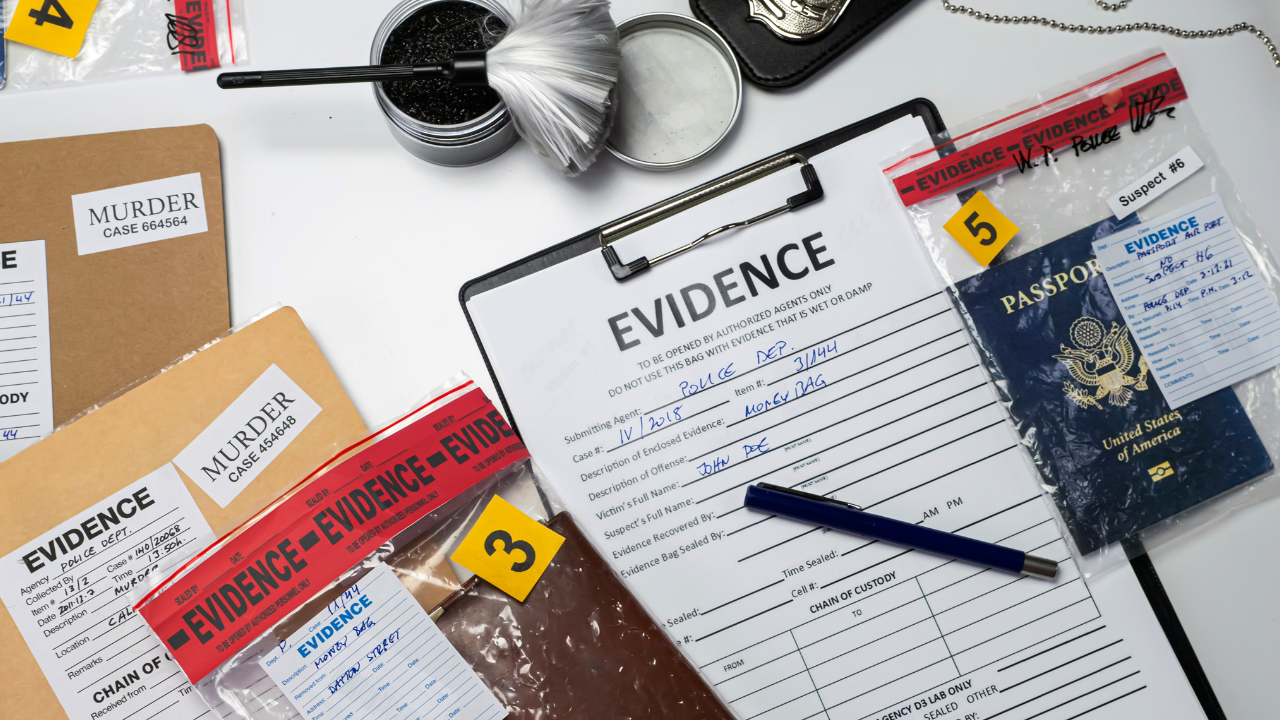
Structuring Evidence for Maximum Impact
A common mistake applicants make is submitting disorganized documentation. USCIS officers must quickly understand your profile, and poorly structured evidence weakens even strong cases.
Your EB-1A file should be organized in a logical, criterion-based format:
- Awards and recognition
- Publications and citations
- Judging or reviewing activities
- Leadership and critical roles
- Media coverage or press recognition
Each section should begin with a short explanation and followed by supporting documents. This helps officers evaluate your case efficiently.
Equally important is demonstrating progression. Your career should show increasing levels of recognition over time, which supports your claim of sustained achievement.
Strengthening EB-1A Documentation Requirements
Every document submitted must serve a clear purpose in proving eligibility. USCIS expects verifiable and credible proof rather than general statements.
Strong documentation includes:
- Official award certificates with selection details
- Peer-reviewed publication records
- Media features from credible outlets
- Employment verification showing specialized roles
Weak documentation includes:
- Self-written declarations
- Non-competitive participation certificates
- Generic EB-1A recommendation letters without impact explanation
The goal is to ensure each piece of evidence directly supports your eligibility narrative and aligns with immigration standards. USCIS places significant emphasis on credibility, so documentation quality matters more than quantity.
Building a Strong Narrative of Extraordinary Ability
Beyond documents, your petition must tell a clear story of professional excellence. USCIS officers evaluate whether your achievements collectively demonstrate sustained recognition.
Instead of treating each achievement separately, connect them into a unified narrative. Show how your work has influenced your field, contributed to innovation, or gained recognition from independent experts.
Your profile should reflect a consistent upward trajectory of impact and recognition, reinforcing your position as someone with extraordinary ability.
At this stage, many applicants benefit from consulting immigration experts who understand how USCIS evaluates evidence patterns and can help structure a stronger petition.
The Role of Recommendation Letters in EB-1A Cases
Recommendation letters play a crucial supporting role in EB-1A petitions. However, their effectiveness depends on quality rather than quantity.
Strong letters should come from independent experts who can objectively evaluate your contributions. Instead of general praise, they must explain specific achievements and their impact on the field.
A well-written letter strengthens your case by:
- Confirming your contributions from a third-party perspective
- Explaining technical or industry impact in simple terms
- Supporting claims made in your primary evidence
Weak letters that only provide personal endorsement without evidence of impact can reduce credibility instead of strengthening it.
Common Mistakes to Avoid in EB-1A Evidence Preparation
Many applicants unintentionally weaken their petitions by making avoidable mistakes. These include submitting excessive but irrelevant documentation, failing to align evidence with USCIS criteria, or relying heavily on employer-based proof.
Another major issue is lack of clarity. If USCIS officers cannot quickly understand the significance of your achievements, your petition may be denied despite strong qualifications.
Avoid these mistakes by focusing on relevance, clarity, and independent validation in every part of your submission.
Final Strategy for a Strong EB-1A Petition
A strong EB-1A case is built on three pillars: structured documentation, independent recognition, and clear impact. Your goal is not just to show achievements but to prove that your work has made a measurable difference in your field.
Every piece of evidence should reinforce your narrative of extraordinary ability. When combined effectively, your petition becomes a compelling case rather than a collection of documents.
Conclusion
Building strong EB-1A evidence requires strategy, structure, and a deep understanding of USCIS expectations. When your documentation clearly demonstrates impact and recognition, your chances of approval improve significantly.
If you want expert guidance to strengthen your petition and avoid costly mistakes, you can contact Shaws Immigration Consulting for professional EB-1A evaluation and support.
FAQs
1. What is EB-1A evidence in an immigration petition?
EB-1A evidence refers to documents and proof submitted to demonstrate extraordinary ability in fields like science, business, or arts. It includes awards, publications, leadership roles, and media recognition. USCIS evaluates this evidence to determine whether the applicant has sustained national or international acclaim.
2. How much evidence is needed for EB-1A approval?
There is no fixed number of documents required. Instead, USCIS requires evidence that satisfies at least three regulatory criteria or a major award. The quality, credibility, and impact of evidence matter more than quantity.
3. Can recommendation letters alone support an EB-1A case?
No, recommendation letters alone are not sufficient. They must be supported by independent evidence such as publications, awards, or media recognition. Letters serve as supporting proof rather than primary evidence.
4. What is the most important factor in EB-1A approval?
The most important factor is demonstrating sustained national or international acclaim. USCIS looks at the overall strength of your achievements and their impact rather than just meeting eligibility criteria.
5. Should I hire an expert for EB-1A petition preparation?
While not mandatory, consulting an immigration expert can significantly improve your chances. Experts help structure evidence properly, avoid common mistakes, and align your petition with USCIS expectations, reducing the risk of denial or Request for Evidence (RFE).